
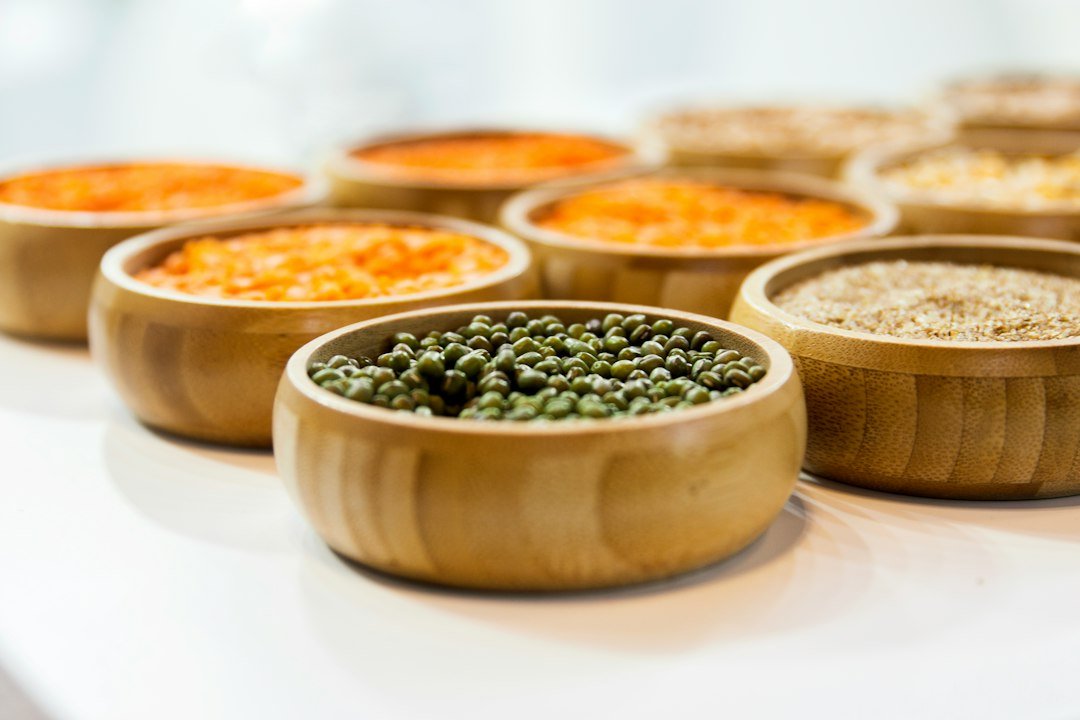

Food prices are getting extra attention in India this October as households watch the cost of everyday staples such as dal, rice, oil and vegetables. Recent government price data and market reports show why smart meal planning and flexible ingredient choices can help home cooks keep food enjoyable without letting the grocery bill grow too quickly.
What is happening with dal prices?
India’s Department of Consumer Affairs price-monitoring data for 7 October 2026 lists all-India average retail prices of about ₹127/kg for tur dal, ₹124/kg for urad dal, ₹113/kg for moong dal and ₹90/kg for masoor dal. Prices vary by city and quality, but the numbers show why pulses remain an important part of the household food budget.
Why are shoppers paying attention?
- Pulses are everyday staples in many Indian homes.
- Oil and other cooking essentials can also affect the cost of a meal.
- Seasonal and supply conditions can change local prices quickly.
- Cooking more meals from pantry staples can make weekly planning easier.
5 practical ways to cook well on a changing grocery budget
- Compare two or three local stores before buying larger quantities.
- Rotate dals instead of relying on one pulse every day.
- Use seasonal vegetables alongside rice, roti or dal.
- Plan two or three leftover-friendly meals each week.
- Choose simple home-cooked dishes when prices of convenience foods rise.
Easy Sravani’s Kitchen ideas for this week
For an affordable meal, try our 15-Minute Mixed Vegetable Curry with rice or roti. Our Budget-Friendly Indian Meals Under £3 also gives you practical combinations for keeping portions filling without making the menu complicated.
Frequently asked questions
Are dal prices the same across India?
No. Retail prices vary by city, quality, shop and supply conditions. National averages are useful for spotting broad trends, not for predicting the exact price at your local store.
How can families reduce the impact of higher food prices?
Meal planning, seasonal vegetables, rotating affordable proteins and using leftovers can reduce waste and make the weekly food budget easier to manage.
Source note: Prices referenced from India’s Department of Consumer Affairs Price Monitoring System, with recent market reporting used for context. Prices can change daily.